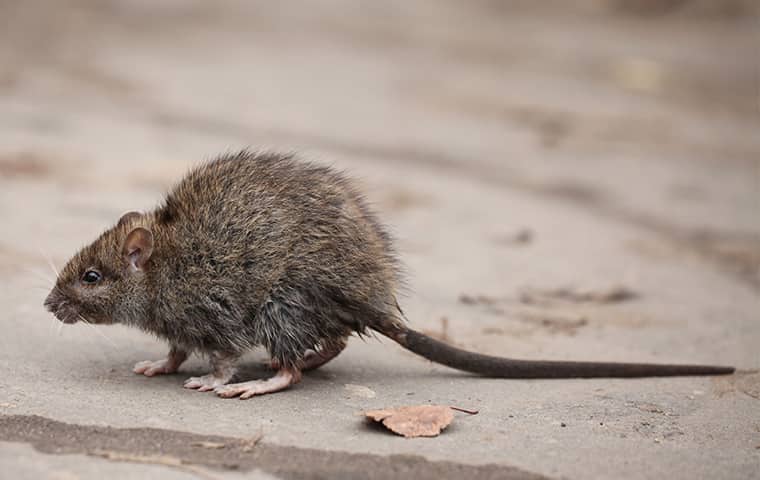
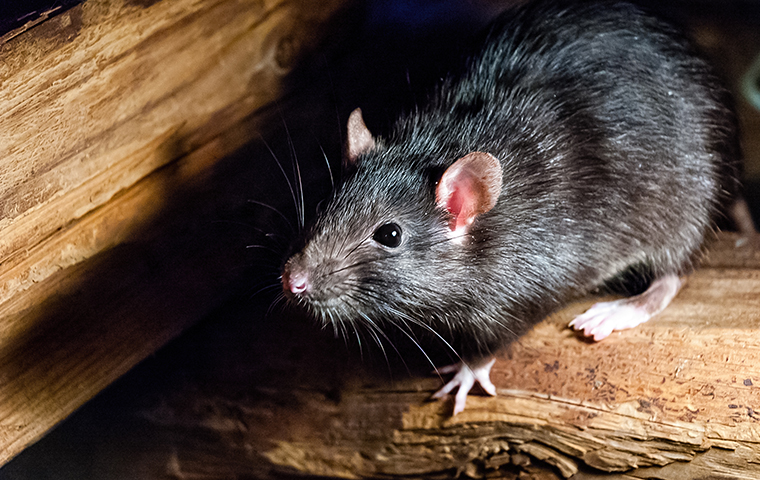
Roof rats prefer to build their nests and live in dense cover and shadows of thick shrubbery vine covered trees power lines and fences.
Roof rat nesting habits.
Roof rats live in colonies and.
Roof rats signs of an infestation.
A rat nest looks like any other tiny mammals such as bird s nest.
Ironically baby rats are called kittens too.
Rats habits and biology the roof rats become sexually mature in just a couple months.
Keeping roof rats out is therefore a difficult task.
The primary use of rat nest is as the nursing home for rat s offspring.
There are many key indicators of a roof rat infestation in the home.
Roof rats are primarily nocturnal and thrive in cool weather.
Because the roof rats climb well common nesting sites are above the ground.
Rats typically nest in urban or suburban areas if access to food water and shelter can be acquired.
The roof rats usually enter a house or a garage to seek shelter from predators and don t need a large hole or place of entrance since they can gnaw their way in through metals such as aluminium wood plastic and even drywall or climb their way in through foliage wires pipelines etc.
The dead fronds of thick palm trees thick vegetation that grows over fences and utility lines.
They are also color blind.
If you suspect that you might have a roof rat take a tour around your property and look for potential nesting spots.
Females become sexually mature in 68 90 days with 5 8 pups.
In dense populations these rodents will establish a social hierarchy wherein dominant males mate more than subordinate males.
First and foremost seeing.
Dense vegetation lush.
Common species like norway and roof rats make their way into residences warehouses sewers barns and stores by living in close proximity to people.
They will nest in trees attics voids.
I have seen rats nests in walls chimneys vents attics under eaves crawlspaces and a myriad of other places.
They ruin insulation by chewing it matting it down and peeing and crapping all over it.
Attic rats nest in the insulation.
During the day roof rats will hide in their shelters and will commence their search for food and water after the onset of twilight.
Roof rats are nocturnal in nature.
The common lifespan of these rodents is about one year.
Roof rats become sexually mature between two and five months producing four to six litters per year that consist of six to eight young each.
Roof rat behavior habits are roof rats nocturnal.
Human homes are attractive to wild rats because they provide heat food and a place to.
Look closely in areas such as your attic garage and patio.
They forage for food in small groups of up to ten.